Metabolic Health: Warning Signs Your Doctor Might Miss
Your annual labs came back "normal." So why do you still crash by 2 p.m., feel hungry an hour after lunch, and carry more around the middle than you did five years ago? That gap between "normal" and "well" is where metabolic trouble likes to hide.
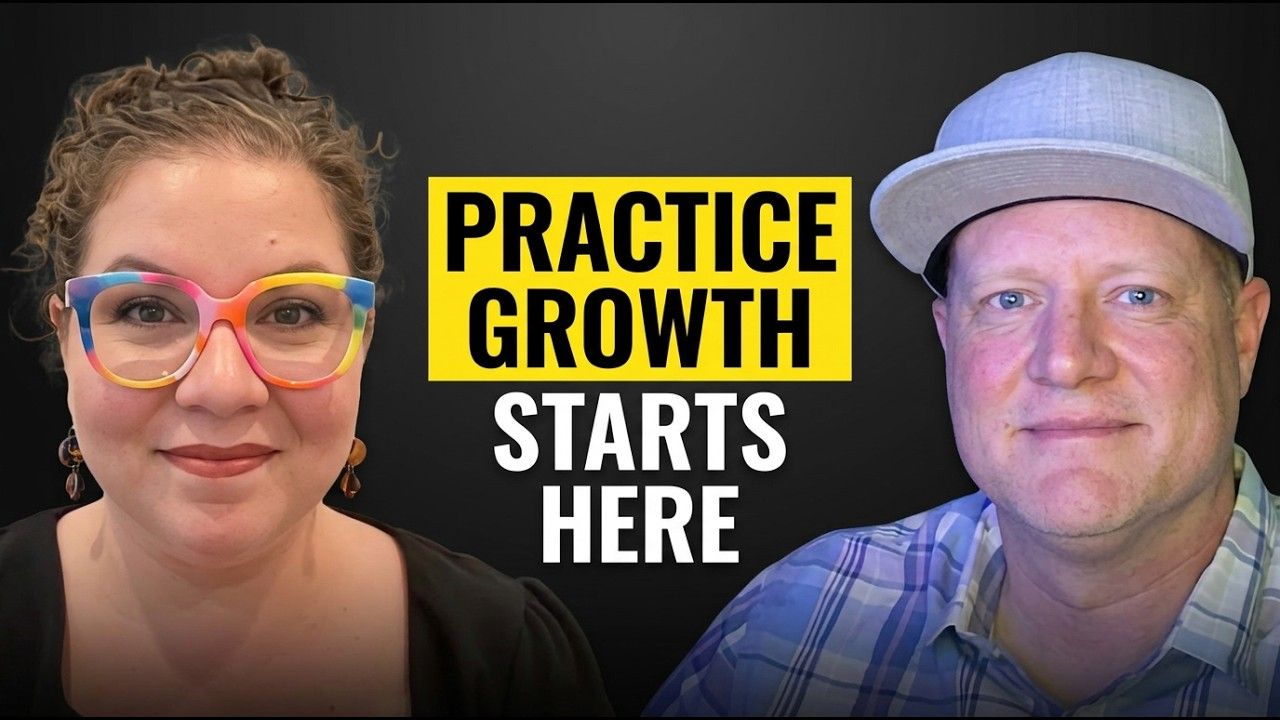
You are not imagining it, and you are not alone. Metabolic disease builds quietly for years before a routine checkup ever flags it. That is why so many people feel off long before anything shows up on paper. On this episode of Second Opinion, Rhonda Nerenberg breaks down what metabolic health really is, the red flags standard bloodwork tends to miss, and the exact tests worth asking your doctor for. The encouraging part: you can rebuild your metabolic health at almost any age, and you do not need a fad diet to do it.
Below, we cover the five ideas from the conversation that change how you read your own health. Why fat is a symptom and not the cause. The markers your doctor probably is not tracking. And the one shift Rhonda says matters more than any meal plan. Start with the part most people get backwards.
What is metabolic health, really?
Metabolic health is how well your body turns food, mostly sugar, into energy. When that process functions properly, you feel steady and energetic, but when it deteriorates, the damage surfaces downstream as prediabetes, type 2 diabetes, cardiovascular disease, and more.
Here is the key point Rhonda makes: metabolic disease develops over years, sometimes decades. That slow build is bad news and good news at once, because although metabolic trouble can hide undetected for a long time, it also gives you a lengthy runway to interrupt the progression and reverse the trajectory.
Why do "normal" labs miss metabolic disease?
Most physicians read a single lab result against a reference range, then reassure you that it falls inside the normal boundaries. What they rarely do is track the underlying trend over time. According to Rhonda, that trend is where the real story lives. Watch the numbers move year over year and you can see chronic disease coming ten or twenty years before a one-time reading would catch it.
She uses liver enzymes as an example. The cutoff most labs treat as normal has drifted upward over the decades as population health declined. So a result that reads fine today might have looked like a warning sign a generation ago. The lesson is simple: one "normal" does not mean well, and the pattern matters more than the snapshot.
This is the same logic smart employers now use with their health plans. Instead of reacting after a big claim lands, they spot risk early and act first. We covered that shift with Weltrio in our episode on pre-claim analytics. Catch the signal early, on your labs or on a plan, and you change the outcome.
Why is fat a symptom, not the cause?
We tend to treat body fat as the problem to attack, but Rhonda flips that assumption entirely. Fat storage is merely a symptom, she explains, and the real drivers are excess sugar and chronically high insulin. Chase the fat without addressing the cause and you treat the smoke instead of the fire.
She is blunt about what this means in practice: body shape is just a shape. You can be heavier and still be metabolically healthy. You can also be thin and quietly sick. So the objective is not a number on the scale, but rather how efficiently your body actually processes fuel.

Which tests should you ask your doctor for?
Rhonda's honest answer is that it depends on you, which is exactly why personalized care beats a generic panel. Still, she names markers worth asking about when metabolic health is the question. Think fasting insulin, a complete blood count, a comprehensive metabolic panel, triglycerides, and ferritin to check iron saturation.
Her best tip costs nothing. Before your blood draw, write down the symptoms you are feeling and bring that list to your appointment. Walk in with a purpose instead of waiting for a nurse to call and say everything looks fine. You know your body better than a reference range does.
What actually rebuilds your metabolism?
Rebuilding comes down to real food, sensible moderation, sustainable movement you will actually continue, and the psychological piece underneath all of it. That final element is where Rhonda concentrates the most attention, because it is the component that makes change genuinely durable.
She refuses to shame anyone or label foods as evil. Food is a tool, she says, not a villain. Take away the guilt and you make room for small, durable habits instead of all-or-nothing diets that collapse by February. That is also the model behind Weltrio, where Rhonda serves as Founder and Chief Health Innovation Officer. A dedicated coach builds trust over time, then helps each person change what they are actually ready to change. You can learn more about that approach at Weltrio.
Frequently asked questions
Can you reverse insulin resistance?
Rhonda argues that many early metabolic problems can be improved, and often reversed, with real food, movement, better sleep, and less stress, especially when you catch them early.
Talk with your healthcare provider about your own situation.
What tests sho metabolic health?
Ask your doctor about fasting insulin, a complete blood count, a comprehensive metabolic panel, triglycerides, and ferritin. Then track the trend over time rather than reading a single result in isolation.
Do you need a fad diet to fix your metabolism?
No. The episode makes the case for real, minimally processed food, moderation, and consistency over extremes. No "weird foods" required.
How long until you see changes?
It varies by where you start, but many people notice steadier energy and better blood sugar within a few weeks of changing how they eat and move. Lasting change comes from habits you can keep, not a sprint.
Watch the full episode
This is the short version. The full conversation goes deeper on testing, DNA, the psychology of eating, and why a trusted human coach beats an app every time. Watch the episode on YouTube, then subscribe to Behind the Premium so you catch the next one.
Want more from this series? Start with Part 1, How to Flatten Your Blood Sugar Roller Coaster, and our earlier conversation, Understanding Diabetes. If you lead HR or run a company, see how the same early-detection idea lowers health costs in this episode.
Partnership Disclosure: Second Opinion is part of the Behind the Premium network, produced in partnership with Weltrio. This is a promotional collaboration, not a paid sponsorship. Co-host Rhonda Nerenberg is the Founder and Chief Health Innovation Officer of Weltrio. Disclosed in accordance with FTC guidelines.
Medical Disclaimer: The content shared on Second Opinion, part of the Behind the Premium network, is provided for general educational and informational purposes only. All conversations, discussions, topics, stories, personal experiences, opinions, and any products, services, or nutrition information mentioned are general in nature and should not be interpreted as medical advice, health advice, nutritional counseling, diagnosis, treatment, or professional guidance of any kind. Engaging with this content does not create a doctor-patient, provider-patient, or any other professional relationship. The information may not apply to your individual circumstances and may not reflect current medical research. Always seek the advice of a qualified physician or licensed healthcare provider with any questions about a medical condition, symptoms, medications, diet, or treatment, and never disregard, delay, or stop professional medical advice because of something you heard on this show. You are solely responsible for any decisions or actions you take based on this content. To the fullest extent permitted by law, the hosts, guests, panelists, and Behind the Premium disclaim any and all liability arising from your use of or reliance on this content.
Recent Posts