Do Customized Benefit Plans Reduce Absenteeism?
Absenteeism rarely shows up as one big bill. It leaks out in scattered sick days, a caregiver running on empty, and people who clock in but check out. So we put a simple question to a roundtable of benefits and HR pros: do customized benefit plans actually reduce absenteeism? The short answer the panel kept landing on was yes, but only when you do it on purpose.
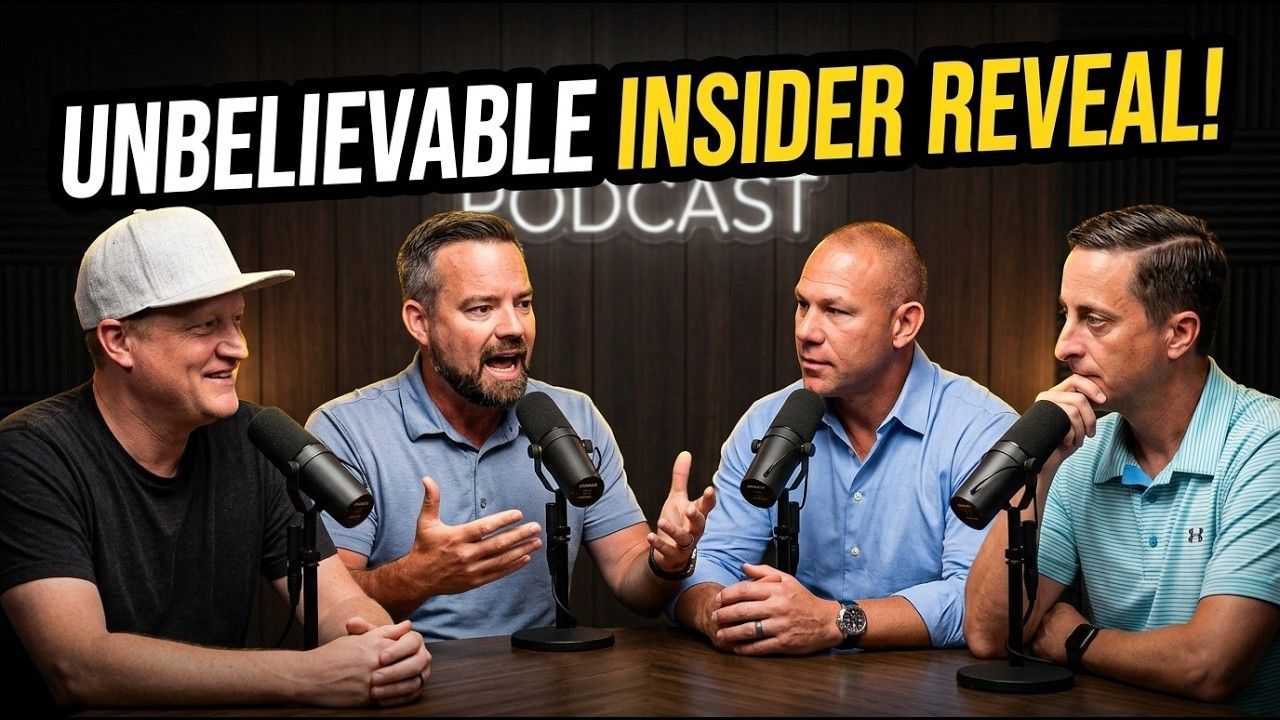
This Behind the Premium roundtable brought together four people who see the problem from different seats. Host Kody King was joined by Rhonda Nerenberg , Founder and Chief Health Innovation Officer at Weltrio; Jacob Davis , CEO of Weltrio; and Steven J. Smith , co-founder of ApplicantPro and host of the HR Life Podcast. Here is what stood out.
Why do generic benefits miss the real cause of absenteeism?
Most plans are built for the average employee, who does not exist. The panel's point was blunt. Broad health or financial perks often skip the actual reason a person disengages. Tailoring benefits around individual conversations surfaces the real barriers, and those barriers are usually not what a standard plan covers.
One example landed hard. A company talked with its working parents and learned that house chores, not health coverage, were driving burnout and missed days. Offering a cleaning benefit fixed the real problem, and engagement climbed. That is the difference between a perk and a solution.
How does plan flexibility cut costs and change behavior faster?
Rigid plans cannot respond to a problem you spot in March. Self-funded and flexible designs can. The panel walked through how a small change, like covering a minor procedure in office, can lower costs and keep people out of the hospital and at work. Flexibility is what makes a targeted fix possible without a year-long wait.
Where do data and pre-claim analytics come in?
Without data, a benefits plan is a guess. With pre-claim analytics, you can tie a specific change to a measurable result and prove it to a CFO. Weltrio's approach connects benefit adjustments to lower claims and better attendance, which is how HR stops being a cost center and starts being a strategy. For more on the data and ROI side, read the Weltrio opinion piece: Why customized benefits beat a bigger paycheck.
What is the throughline?
Listen to your people, use your data, and adjust the plan to fit real lives. The panel's verdict was unanimous. Customized benefits can reduce absenteeism, as long as the customization is deliberate and informed.
Frequently asked questions
Do customized benefits really reduce absenteeism?
The panel agreed they can, when the plan targets the actual reasons employees miss work instead of adding generic perks.
Do you need a self-funded plan to customize?
No, but flexible and self-funded designs make it far easier to adjust quickly and tie changes to cost and health outcomes.
Where can I watch the full roundtable?
Where can I hear more from this episode's panelists?
Rhonda co-hosts the Second Opinion Podcast, which provides health, nutrition, and other related advice and education. https://www.youtube.com/playlist?list=PLWEVfZttrQV6_m8bNxHHu2WaEt4Vdb5XG
Jacob co-hosts the Benefits 3.0 Podcast, which focuses in on healthcare and benefits of tomorrow through thought leadership and tech. https://www.youtube.com/playlist?list=PLWEVfZttrQV6aTQQ3Mu2NOE1_aacZtDp1
Steve hosts the HR Life Podcast , which covers hiring and retention. https://thehiringtreebook.com/hr-life-podcast
Watch the full episode
Watch the complete roundtable on YouTube , then read Kody King's take on the Weltrio blog.
Partnership Disclosure: Behind the Premium is produced in partnership with Weltrio. This is a promotional collaboration, not a paid sponsorship. Host Kody King is the Chief Experience Officer of Weltrio. Disclosed in accordance with FTC guidelines.
Disclaimer: The content shared on this series, part of the Behind the Premium network, is provided for general educational and informational purposes only. Discussions of employee benefits, health plans, insurance, coverage, claims, costs, and related topics are general in nature and are not financial, insurance, tax, legal, or benefits-planning advice, and should not be relied upon for any specific decision. Benefit plans, coverage options, pricing, and applicable regulations vary by individual, employer, and location, and change over time. Engaging with this content does not create a professional, advisory, broker-client, agent, or fiduciary relationship of any kind. Always consult a licensed insurance broker, benefits advisor, attorney, tax professional, or other qualified expert before making decisions about your benefits, coverage, or finances. Statements made by hosts, guests, and panelists — including any who are owners, employees, or representatives of a partner company — are their own. You are solely responsible for any decisions or actions you take based on this content. To the fullest extent permitted by law, the hosts, guests, panelists, and Behind the Premium disclaim any and all liability arising from your use of or reliance on this content.