How to Prove HR's Impact and Stop Being a Cost Center
HR keeps getting told to earn a seat at the table. Almost no one explains how to actually prove HR's impact in dollars once you get there. That gap is the whole problem, and it keeps capable HR teams invisible to the people who control the budget.
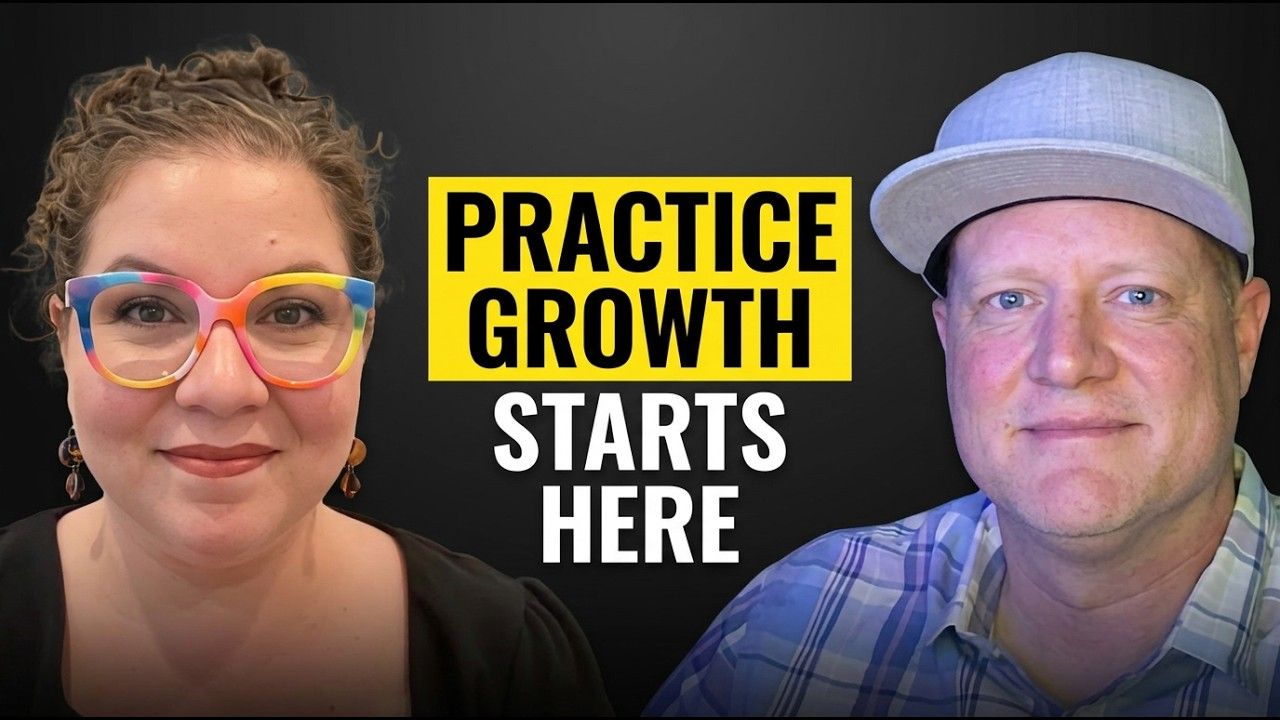
Most HR leaders carry genuine value, but they struggle to translate it into the numbers a CFO respects. On this episode of Benefits 3.0, host Kody King and Weltrio CEO Jacob Davis lay out a cleaner path. Treat your benefits plan as the lever, attach hard numbers to it, and walk into the executive room with a solution instead of a question.
Below, we cover why HR gets stuck, the formula that turns soft work into dollars, where AI genuinely helps, and the questions to bring to your broker and your CFO.
Why HR struggles to prove HR's impact
The profession attracts people with high emotional intelligence. That is a real strength, and it is also where the gap begins. HR leaders tend to be careful and people-first, while most executives want the bottom line up front in twenty seconds.
Jacob noticed the same pattern at Disrupt HR, where half the speakers circled one theme: HR's relevancy at the executive table. The sensitivity that makes HR effective with people can make the financial conversation feel foreign. So the work stays invisible, and the budget gets treated as a cost to trim.
The formula that turns HR work into dollars
One presentation stuck with Jacob. A speaker named Tuan Wynn laid out a formula for calculating HR's impact on the bottom line, using tenure, churn, and competency. The principle is simple: put a defensible dollar figure on what HR drives, and then say it directly to finance.
This is where most teams stop short, because they sense the value is real but cannot connect culture, hiring, and retention to a number on a spreadsheet. A formula like Wynn's closes that gap, and it hands HR a language the CFO already speaks.
Where AI helps, and where it does not
Artificial intelligence is a useful tool in this conversation, but it is not a replacement for judgment. As Jacob explained, AI can help HR connect qualitative work to quantitative measurement, like a thinking partner that asks how a process or a hiring practice feeds the bottom line. It can help you build the measurement, even when the judgment behind it stays yours.
Benefits are HR's strongest lever
Here is the move most teams overlook: benefits are often the second highest cost in an organization, and HR usually owns the decision outright. That makes the benefits plan one of the most strategic levers HR holds, because the same line item affects recruiting, retention, morale, and cost at once.
Self-funding makes that lever stronger, because it gives you direct control over cost plus the claims data to see where every dollar goes and where dollars get quietly wasted. That visibility is the real starting point for a credible numbers conversation with your CFO.
Pre-claim analytics: cut cost before the claim
This is the part Jacob is proudest of, and he frames it with a memorable picture: employees shopping at a healthcare grocery store every month, choosing prescriptions, providers, and imaging with no price tags and a small copay at the register. Nobody sees the real cost on the back end, where a single prescription can climb into the tens of thousands.
Weltrio walks down those aisles with the employee and clips the coupons before checkout, using pre-claim analytics and health advocacy to steer toward the generic or resolve a chronic issue early. The expensive claim never lands. It never reaches the third-party administrator, because the claim never happens. That is money saved at full value, and it is why Jacob repeats a line from the Weltrio site: a dollar not spent is 100% of a dollar saved.
The questions to bring to your broker and your CFO
If you want to be the hero in the room, start with two conversations. Ask your broker one direct question: who is getting paid in my benefits plan, and how much? Look for flat fees, percentages, front-end fees, and back-end carrier bonuses. A good broker answers without flinching, and if the question offends them, that itself is a red flag.
Then change how you approach the CFO. Do not bring a question, bring a solution. Find out the top financial goal this quarter, tie your plan to it, and hook the executive in twenty to thirty seconds before you open a deck. Keep the full pitch near fifteen minutes and expect to be interrupted, because that is the sound of a CFO finally taking HR seriously.
Watch the episode and keep going
Jacob and Kody go deeper on all of it, including how Weltrio works as an extension of the HR team at renewal. Watch the full conversation on YouTube, then keep reading on Behind the Premium. For the data side, see how employers get ahead of healthcare costs. For the people side, see whether customized benefit plans reduce absenteeism. And for Weltrio's own take on why engagement beats raw data, read Jacob's piece on the Weltrio blog.
Want a seat at the table? Benefits 3.0 invites HR leaders, CFOs, brokers, and benefits consultants to join as panelists. Reach out through Behind the Premium and bring your take to the conversation.
Disclosures
Partnership Disclosure: Benefits 3.0 is part of the Behind the Premium network, produced in partnership with Weltrio. This is a promotional collaboration, not a paid sponsorship. Co-host Jacob Davis is the CEO of Weltrio. Disclosed in accordance with FTC guidelines.
Disclaimer: The content shared on this series, part of the Behind the Premium network, is provided for general educational and informational purposes only. Discussions of employee benefits, health plans, insurance, coverage, claims, costs, and related topics are general in nature and are not financial, insurance, tax, legal, or benefits-planning advice, and should not be relied upon for any specific decision. Benefit plans, coverage options, pricing, and applicable regulations vary by individual, employer, and location, and change over time. Engaging with this content does not create a professional, advisory, broker-client, agent, or fiduciary relationship of any kind. Always consult a licensed insurance broker, benefits advisor, attorney, tax professional, or other qualified expert before making decisions about your benefits, coverage, or finances. Statements made by hosts, guests, and panelists — including any who are owners, employees, or representatives of a partner company — are their own. You are solely responsible for any decisions or actions you take based on this content. To the fullest extent permitted by law, the hosts, guests, panelists, and Behind the Premium disclaim any and all liability arising from your use of or reliance on this content.
Recent Posts